
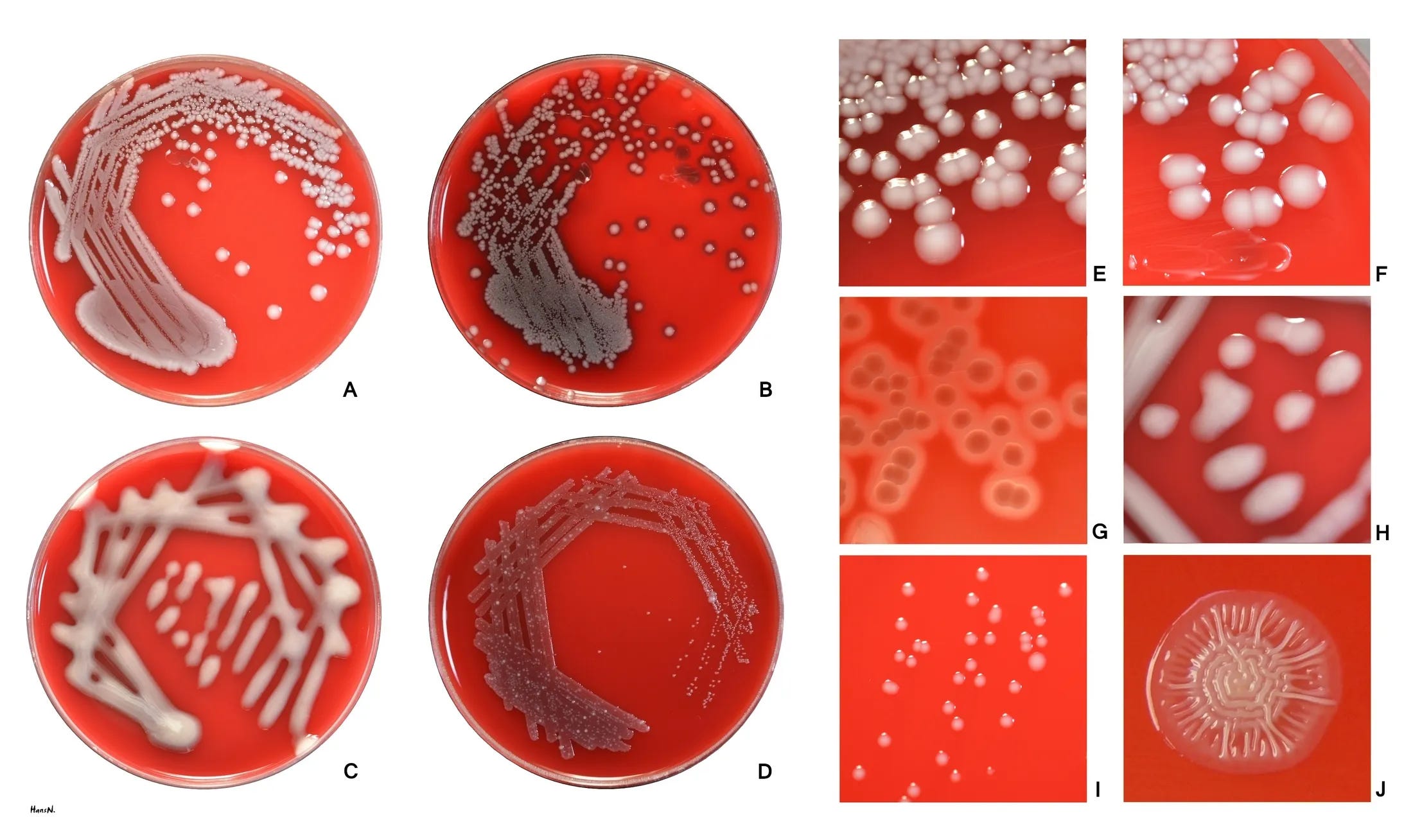
Clinical microbiologist Frank Koontz’s career bridged two major eras of microbiology, split in 1995 by the sequencing of the first two bacterial genomes. The pre-1995 era was the time of old-school or “basic” microbiology, when microbiologists differentiated between closely related strains by sight (wrinkled or smooth colonies?) and smell (caramel or bread crust?). The second introduced, in Koontz’s words, “genetic frickey frackey methods.”
Koontz was an unabashed adherent to the old school. Shortly before his passing in 2001, he said:
When we’re doing these identifications by genetic methods and genomic changes, they say, ‘Oh wait a minute. This organism is different than that. While they produce the same disease, they look exactly the same on the plate, they produce the same biochemical reactions, but they’re different in [x], so they give it a new name.’ … I’ve just gone totally nuts on this stuff and I quit using the genus names.
For Koontz, small differences in DNA didn’t offer strong enough reason to rename microbes that looked and behaved alike clinically. Koontz was not alone in this belief, either. Taxonomy has long been regarded as an old-fashioned, harmless pursuit more suited to the 18th-century world of Linnaeus than our modern world of high-throughput, supercomputer-powered biology. But the advent of genomic sequencing launched taxonomy into the 21st century. Today, scientists can quantify the evolutionary relatedness of two organisms directly from the sequence of “letters” in their DNA, RNA, and a few proteins — no squinting or sniffing required.

Over the last 25 years, genomic methods have revealed that the tree of life is weirder and more tangled than ever imagined. They have shown, as a frustrated Koontz noted, that thousands of microorganisms thought to belong to one genus actually belong to another. But perhaps the most seismic discovery of the genomics era has been the revelation that horizontal gene transfer (HGT) — in which organisms trade genes with members of other species — is far more widespread than previously assumed. HGT has demonstrated that the branches of the tree of life do something scientists hadn’t thought possible: they criss-cross and merge.
This criss-crossing has blurred the lines separating microbial species and complicated rules built around those boundaries. In the United States, whether an engineered microbe faces regulatory review can depend on whether its added DNA comes from a different genus. This distinction can affect the deployment of microbes to recover valuable metals or detect pollution in the environment. But because microbes swap so much DNA, the boundaries between species are often difficult to untangle.
In his 1774 edition of Systema Naturae, Carl Linnaeus placed microbes into a taxonomic group he called “Chaos”; more than 250 years later, the name seems even more appropriate.
Molecular fingerprints
Great scientists throw off ideas like huskies shed fur. In September 1957, Francis Crick gave a talk at the annual symposium of the Society for Experimental Biology, published a year later as “On Protein Synthesis.” After musing about protein folding and making educated guesses about error rates, Crick revealed one of his most profound ideas:
Biologists should realize that before long we shall have a subject which might be called ‘protein taxonomy’—the study of the amino acid sequences of the proteins of an organism and the comparison of them between species.
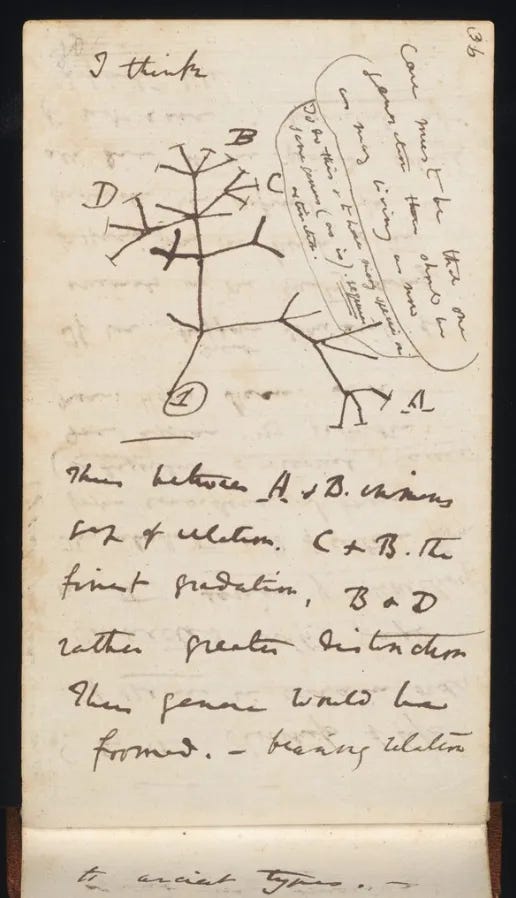
Taxonomy is the study of classifying organisms. For centuries, naturalists have organized living creatures into hierarchical, tree-like systems that group species with similar features: mammals on one branch, for example, and birds on another. Charles Darwin’s key insight was that these similarities were due not to the whims of a Creator but to descent from a common ancestor. Closely related species, like closely related people, look similar because they share a relatively recent common ancestor. Taxonomy seeks to determine whether two organisms are “sister-species,” first cousins, or fourth cousins thrice removed.
When it came to deciding where to place a species on the tree of life, those studying animals and plants found plentiful morphological detail to measure and compare; bacterial taxonomists faced a more daunting task. Because microbes are simple morphologically, especially when viewed through the rudimentary microscopes of the 19th and early 20th centuries, taxonomists could often compare little beyond a species’ shape (sphere, rod, or spiral), habitat, and basic metabolism. Early bacterial taxonomists thus created classification systems that were confused, contradictory, and mostly inaccurate.
For example, the 19th-century German botanist Ferdinand Cohn, one of the founders of modern microbiology and the first bacterial taxonomist, was convinced that bacteria belonged to the plant kingdom. He saw similarities in the shape, movement, and division of bacteria and organisms then classified as blue-green algae (now recognized as cyanobacteria). Because of such errors, it became almost routine for new generations of scientists to tear down prior taxonomic systems; some even took an axe to their own work.
In 1941, for example, the microbiologists C.B. van Niel and Roger Stanier published an influential critique of Bergey’s Manual of Determinative Bacteriology — the standard taxonomy book for 20 years —and proposed a new system. Then, 20 years after that, they rebutted their own rebuttal, saying their “elaborate taxonomic proposal” was something “neither of us cares any longer to defend.” One hundred years after Darwin published the Origin, bacterial evolution was still a mystery.
Then came Crick’s idea about “protein taxonomy,” or using the sequenceof proteins at the molecular level, to map relationships between species. Although Crick never actually followed up on this, other biochemists did. In the 1960s, Linus Pauling and Emile Zuckerkandl realized that by using electrophoresis, a method which uses electrical charge to separate molecules by size, they could generate protein “fingerprints” that approximated the information in a complete protein sequence. Pauling and Zuckerkandl hypothesized that since proteins (and the genes encoding them) steadily accumulate mutations over time, the number of differences between the same protein in different species should be proportional to the amount of time having passed since those species diverged. They dubbed this “the molecular clock hypothesis.”
The pair focused on hemoglobin, the protein in red blood cells that carries oxygen. Pauling and Zuckerkandl documented close similarity (meaning a small number of mutations) between the fingerprints of human hemoglobin and chimpanzee hemoglobin, and less similarity (or more mutations) between human hemoglobin and orangutan hemoglobin. These two men also found more similarity among primate hemoglobins than between hemoglobins from cows or pigs. These patterns they uncovered offered a new basis of support for evolutionary trees that had been drawn the conventional way. But they took their discovery one step further, predicting not only that this approach could reinforce existing trees, but also that “branching of molecular phylogenetic trees should in principle be definable in terms of molecular information alone.”
The biophysicist Carl Woese was intrigued by this budding new field called molecular phylogenetics. In 1969, he wrote to Crick about his ambitious goal to “unravel the course of events” leading to the origin of the first single-celled microbes. He aimed to extend the current understanding of evolution “backward in time by a billion years or so … using the cell’s ‘internal fossil record.’” Hemoglobin wouldn’t work for this kind of study because it is not shared by all the organisms Woese wanted to compare. Woese needed something older, more basic, and universal to all forms of life. “The obvious choice of molecules here lies in the translation apparatus,” he told Crick. “What more ancient lineages are there?”
Woese was referring to the ribosome. Like a molecular 3D printer, the ribosome takes in genetic instructions and raw amino acids to build proteins. Woese focused on the ribosome for two reasons: first, it was found in all forms of life; and second, its mixture of protein and structural RNA parts suggested that it was very ancient. Woese settled on a component of bacterial ribosomes called the 16S ribosomal RNA, or rRNA. Animals, plants, and fungi have a close variant called 18S rRNA.
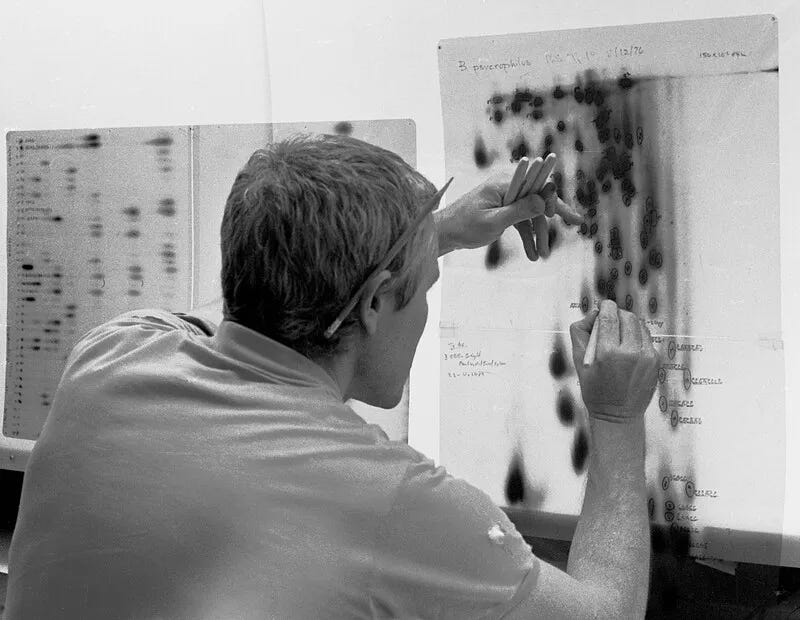
In the 1970s, Woese began assembling the 16S sequences of any microorganism he could get his hands on. The method was laborious and dangerous: Woese first cultured microbes with radioactive P-32, then used highly flammable Varsol (a type of general-purpose solvent) to keep the electrophoresis paper from overheating under the high voltage and amperage needed to separate the tiny ribosomal fragments. After taking X-rays, Woese viewed the film on a floor-to-ceiling lightbox. He then compared those rRNA “fingerprints” much as Pauling and Zuckerkandl had compared the fingerprints for hemoglobin, and discovered that a subset of unusual bacteria living in extreme environments weren’t bacteria after all. Their 16S rRNA sequences were as different from those in bacteria as they were from those in animals and plants — apparently representing a “third kingdom.” That group is now known as the archaea.
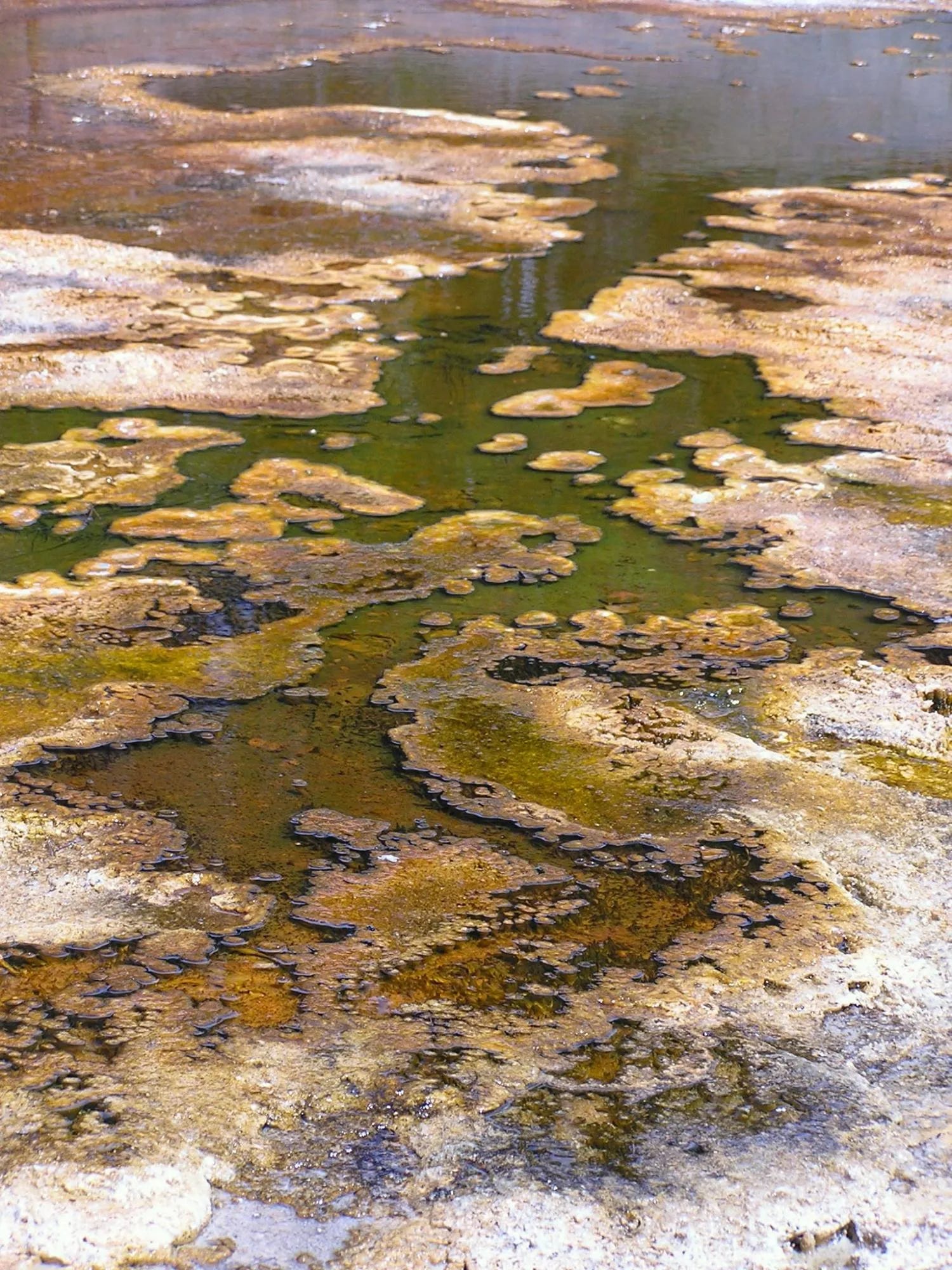
Shortly thereafter, geneticist Norman Pace realized that he could use the same sequencing techniques to shed light on the “uncultured majority” of bacteria and archaea unable to be cultured under laboratory conditions. Specifically, Pace sequenced rRNA extracted from the pink agglomerations of microorganisms that were found in the near-boiling waters of Yellowstone National Park’s Octopus Spring but resisted attempts to be grown in the laboratory. The results revealed that these pink agglomerations were actually a community dominated by three species — two bacteria and one archaeon — previously unknown to science. His team’s rRNA sequences alone were enough to place these species on the tree of life.
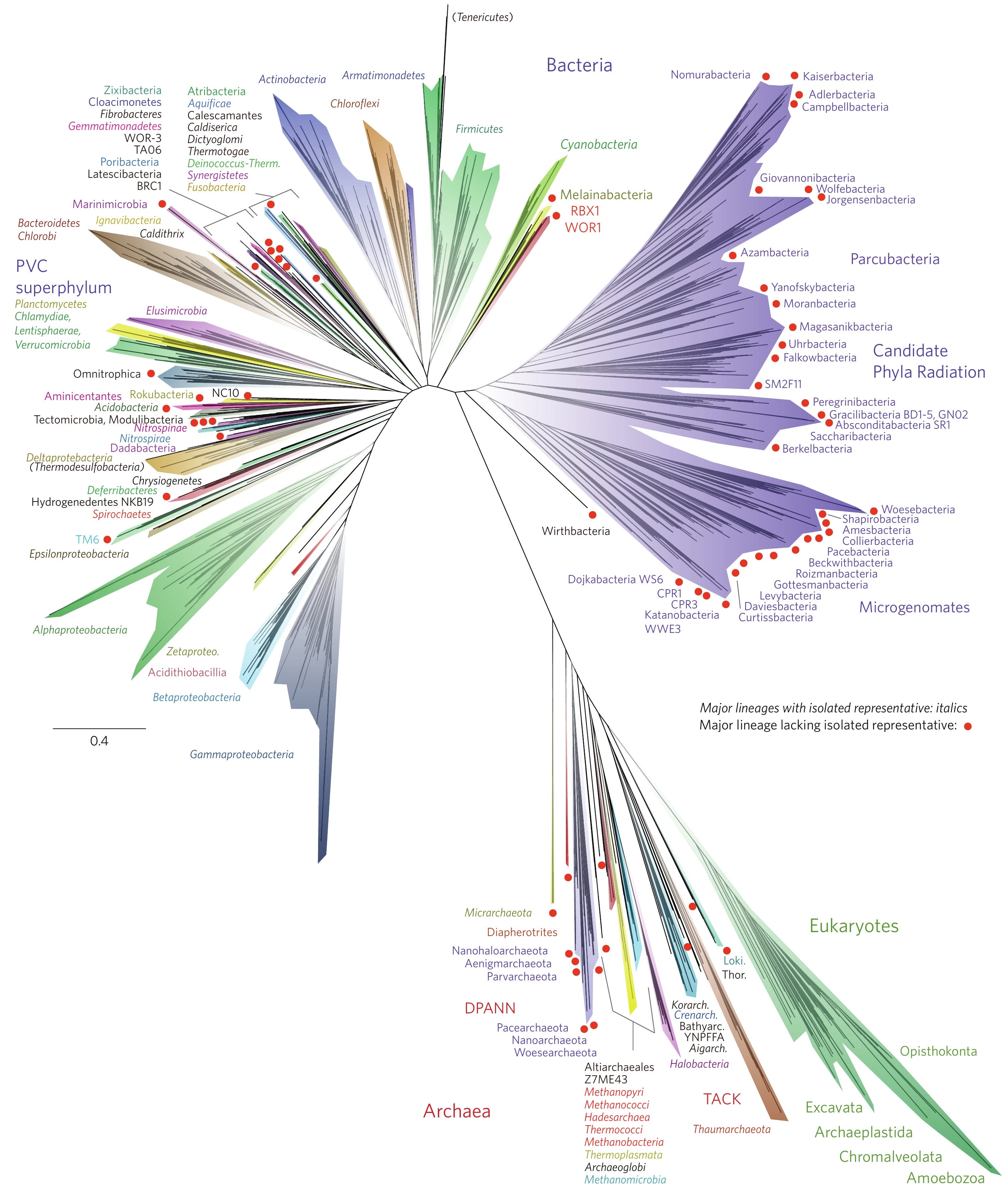
In the decades since, sequencing the uncultured majority has dramatically expanded the phylogenetic tree. A 2016 study led by microbiologist Jillian Banfield compared ribosomal proteins from more than 3,000 genomes to map diversity across bacteria, archaea, and eukaryotes. The resulting tree showed just how much diversity earlier depictions had missed. In Banfield’s paper, most of the tree is made up of bacterial species, many of which lack even a single isolated representative: scientists know them solely from DNA recovered from mixed microbial communities, rather than from a species grown and studied separately in the laboratory. In a humbling reversal from earlier evolutionary trees, all eukaryotes — from animals and plants to single-celled amoebae — fit on a tiny little twig in the corner, overshadowed by an arborescent bush of microscopic bacteria.
Whereas the earliest bacterial phylogenetic trees, based on microbes’ crude physical features, were imprecise, microbiologists today can determine which species a strain belongs to by using a metric called average nucleotide identity, or ANI, which is the mean percentage of identical nucleotides across every gene shared by two genomes. Microbiologists generally use an ANI of ≥95% as the genomic boundary line between bacterial species. If genomic comparisons reveal that a strain historically thought to belong to one species actually has <95% ANI to that species, then it must be renamed.
Such taxonomic revisions are often contentious, but they are part of the routine work of updating old systems with newer, better data. However, during every one of these conversations about bacterial species, there is an elephant in the room: horizontal gene transfer (HGT).
The tree of life is more like a net
Microbiologists first thought that, apart from minor tweaks, widespread adoption of whole-genome sequencing would validate and reinforce Woese’s three-limbed tree. But it quickly became apparent that something strange was happening: genes from the same genome could create phylogenetic trees with different topologies. It was like discovering that while human hemoglobin was most similar to chimpanzee hemoglobin, human insulin was most closely related to a snake’s. Each gene seemed to have its own evolutionary history. What explains this?
During reproduction, genes are copied and passed down vertically from parents to offspring. As a result, genes from different species are largely isolated from one another. In his 1995 book River Out of Eden, Richard Dawkins uses the metaphor of a river of DNA to describe how genetic information flows through time. Speciation is like a fork in the river, after which genes that once freely intermingled rarely recombine. Dawkins calls this process “the long goodbye.” While that may be true for genes of most multicellular eukaryotes, for microbial genes it is more like a quick “see ya in a bit.”
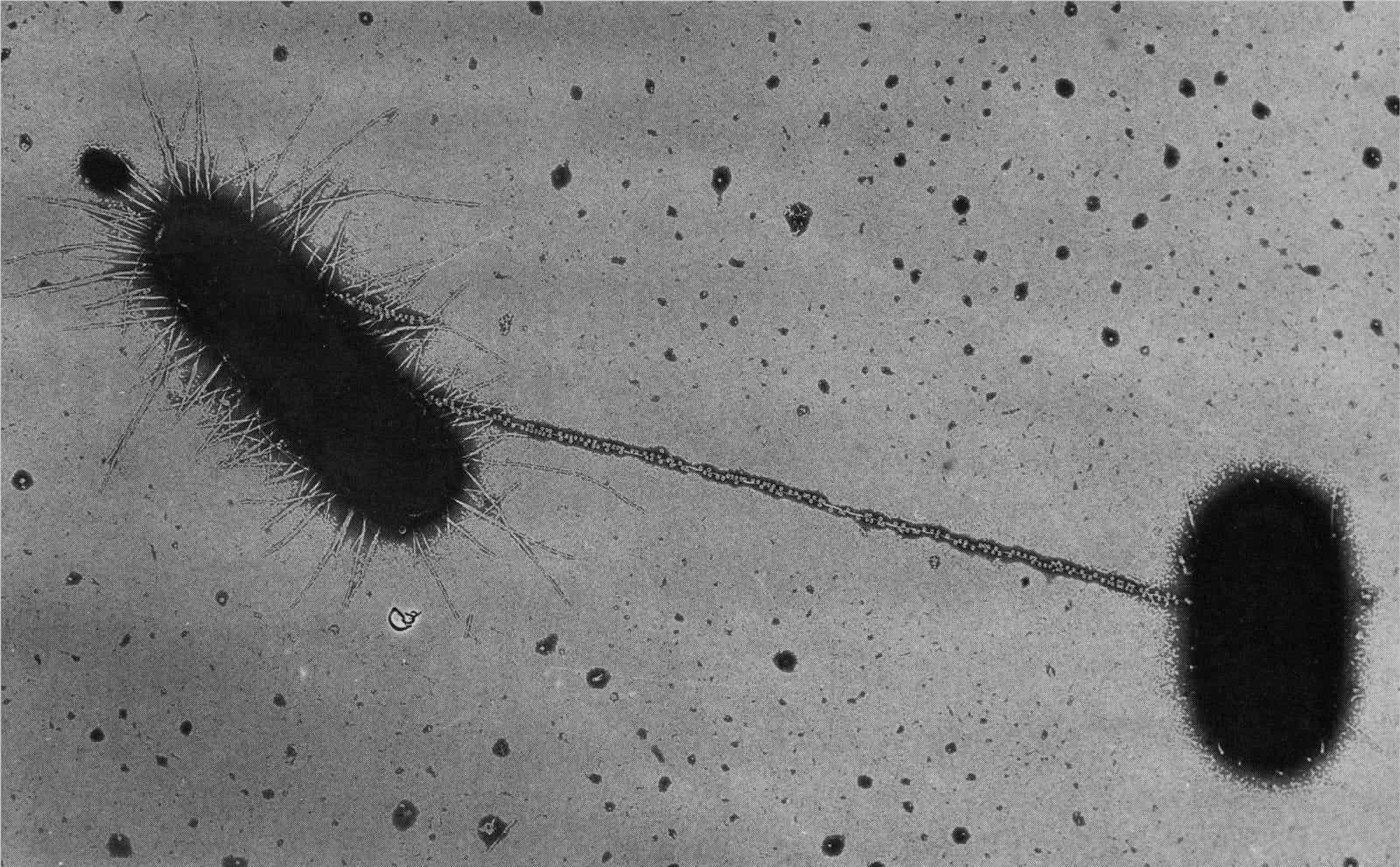
The first hint that bacteria were doing something different came in 1928, when British bacteriologist Fred Griffith showed that material from dead pneumococci could transform living bacteria. In 1944, Avery, MacLeod, and McCarty identified that material as DNA. Those genes were not transferred vertically from parents to offspring, but horizontally between individuals. Later work by Joshua Lederberg would reveal two more kinds of HGT: conjugation, also known as “bacterial sex,” in which two living microorganisms make direct contact and transfer DNA; and transduction, when a bacteriophage (a virus that infects bacteria) accidentally packages and moves bacterial DNA from one cell to another. For bacteria, Dawkins’ river of DNA is more like a flooded river delta, where tributaries that had separated hundreds of millions of years earlier intermingle once again.
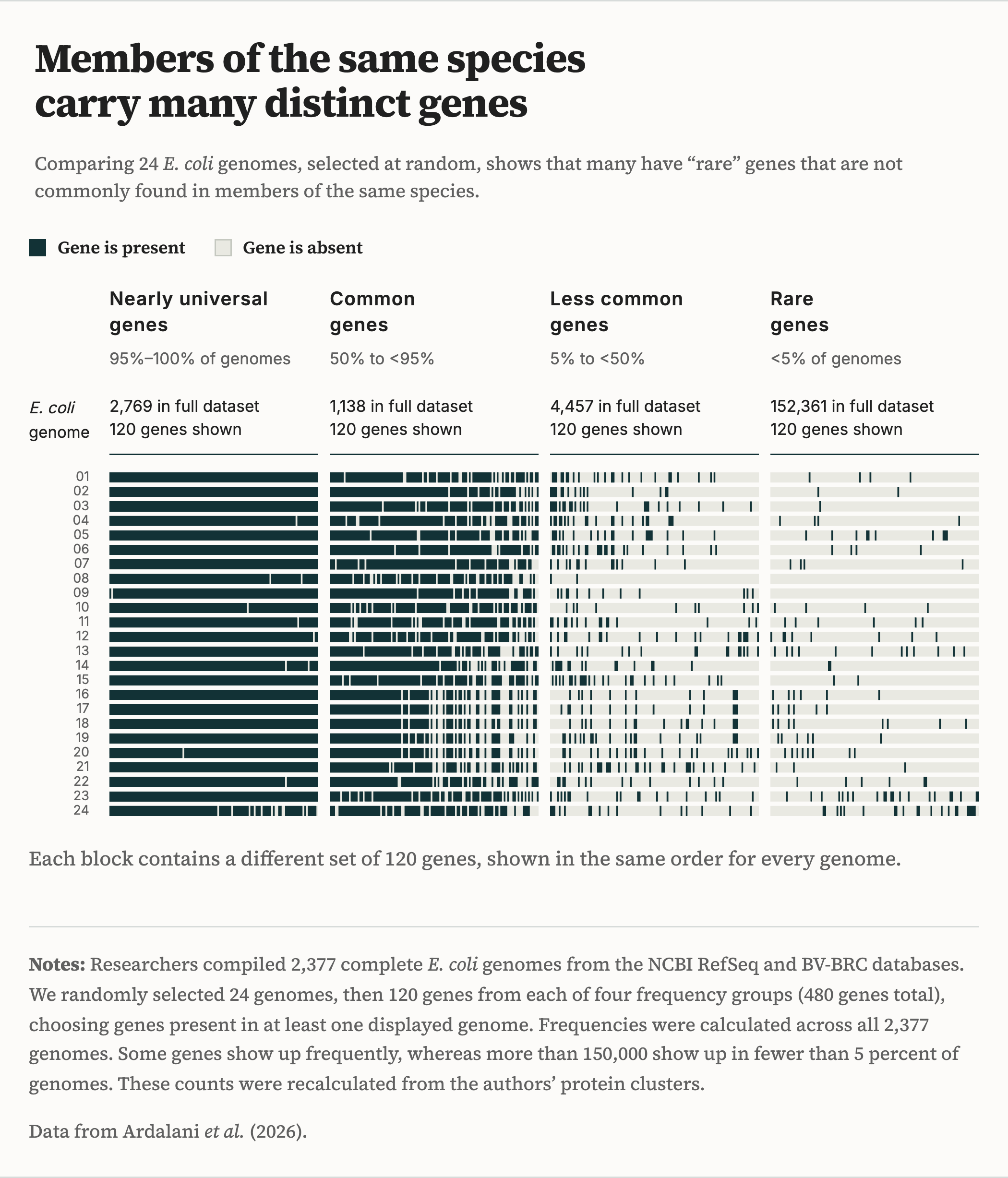
HGT also explains why some bacterial strains carry thousands of genes that other strains from the same species do not, and vice versa.1 A 2015 review looked at more than 2,000 full Escherichia coli genome sequences, and found that each genome contained about 5,000 genes. But of those 5,000 genes, only about 3,000 were widely conserved, or found across nearly all the strains; the other 2,000 genes were more unique and varied a lot between the strains of this same species. Collectively, the 2,000 E. coli strains they looked at encoded about 89,000 different genes.
Thanks to HGT, bacteria can acquire important new functions in one fell swoop. Nowhere is this more apparent than in the spread of antibiotic resistance genes. In 1963, Japanese bacteriologist Tsutomu Watanabe alerted the world to the alarming discovery that genes conferring resistance to multiple antibiotics had spread horizontally between Shigella and E. coli species. He would also document similar cases between other species and genera.
More recently, a study using metagenomic sequencing methods found identical resistance genes with 100 percent nucleotide identity shared between non-pathogenic soil bacteria and human pathogens isolated from hospitalized patients, including Pseudomonas aeruginosa, Acinetobacter baumannii, and Salmonella enterica. If those genes had spread vertically from these species’ common ancestor, then we would expect a degree of difference proportional to the evolutionary distance between them. But identical genes in such divergent species can only be explained by recent HGT. These genes had criss-crossed the tree of life.
For most of the 20th century, HGT was thought to be either confined to special categories of genes (such as antibiotic resistance genes) or too rare to matter much. Scientists building evolutionary trees largely ignored it.2 Woese’s 16S rRNA tree, for example, showed branches splitting apart, but no genes moving between them. With the advent of whole-genome sequencing in the 1990s and the deluge of genomic data that followed, scientists could no longer dismiss HGT.
A 1998 analysis of the newly sequenced E. coli genome found that 755 genes (18% of its genome) had been horizontally transferred from other organisms. In the years since, scientists have documented DNA exchange between bacteria (and archaea) within the same species, across species within a genus, and between much more distant lineages.
A recent study of over 93,000 microbial genomes found cross-genus gene transfers in roughly one-third of species, and cross-phylum swaps in at least 8% of species. Bifidobacteria in the human gut can exchange DNA segments up to 247,000 nucleotides long, for example, replacing up to 30% of a chromosome in one step. For reference, most genetic engineers insert only about 2,000 to 6,000 nucleotides of DNA in a typical experiment. Further, long segments introduced by HGT have been shown to be more receptive to further HGT with the donor species, effectively making one organism a member of two or more otherwise distinct species.
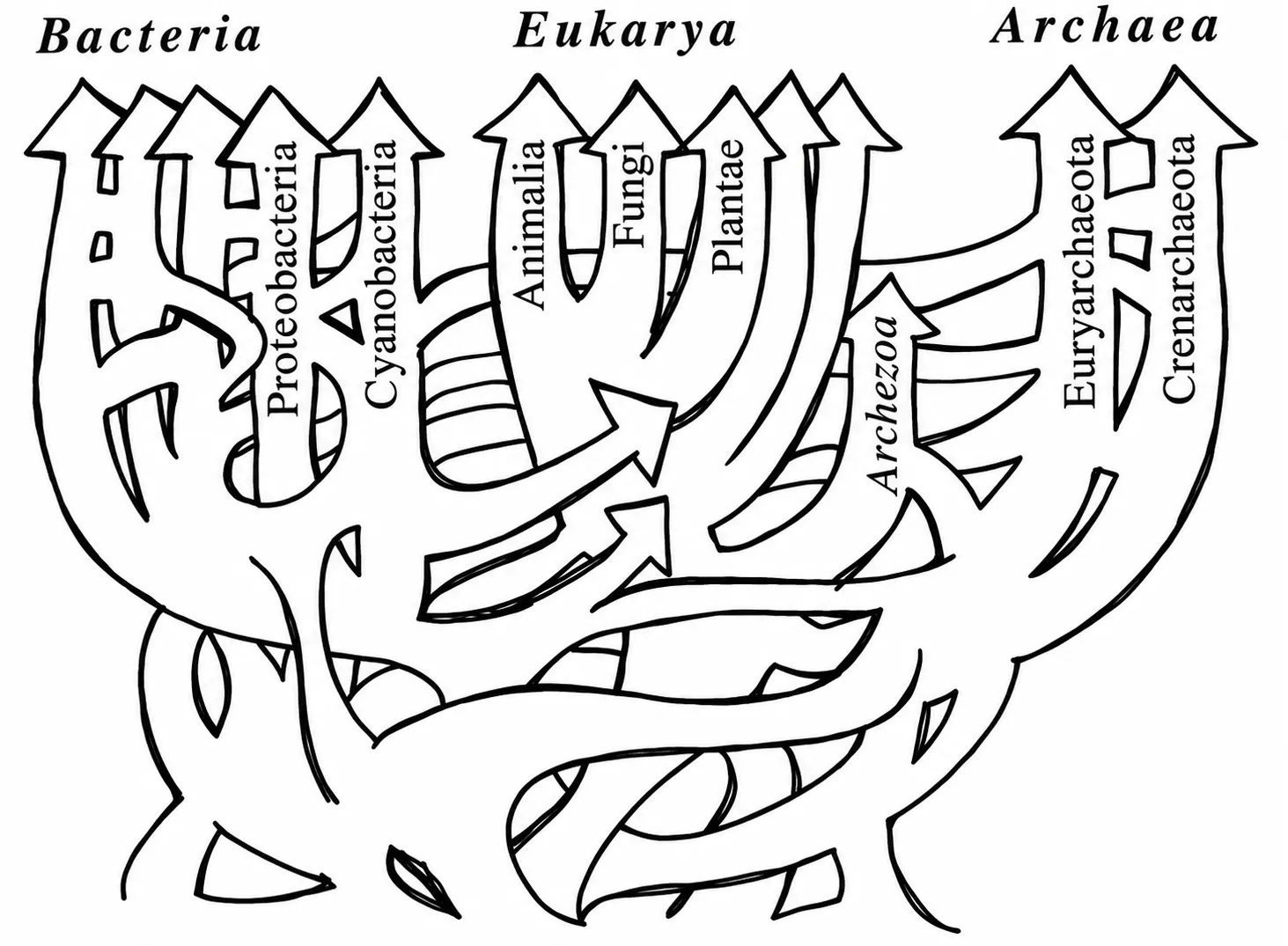
HGT challenges the orthodox view of the tree of life. Some have argued that HGT, not natural selection, is the dominant mechanism of evolutionary change for bacteria and archaea (which is to say, for the majority of living organisms for most of life’s history). As a result, the criss-crossing branches instigated by HGT may mean the tree of life is better represented by a scaffolding of vertical branches webbed by horizontal connections. Perhaps the most famous illustration of this is a sketch by molecular biologist Ford Doolittle, which first appeared in Science magazine in 1999. Whether life as a whole is best represented as a tangled tree or an interconnected network is still a matter of debate, but the general consensus is that the two representations can coexist.
Bacteria trading genes like playing cards, though, raises an awkward question for regulators: how much can a taxonomic boundary tell us about biological novelty? In the United States, the Environmental Protection Agency (EPA) regulates many industrial uses of engineered microbes under the Toxic Substances Control Act (TSCA), a 1976 law designed to control risks from chemicals. Its 1997 biotechnology rule generally treats microorganisms formed by the deliberate combination of DNA from different genera as “new,” triggering notification and review for commercial uses. The EPA’s rationale was that, as organisms from different genera generally have fewer traits in common than close relatives, deliberately combining their DNA could therefore produce new combinations of traits whose effects on human health and the environment would be harder to predict. The agency set the genus boundary as a threshold for identifying “new” microorganisms requiring review.
But as we have seen, genus boundaries are an imperfect proxy for novelty. Strains within one species can carry distinct accessory genes, while distant species can acquire the same genes through HGT. Taxonomic revisions can also move organisms into different genera without changing their DNA. This does not make every engineered microbe safe, but it does weaken the notion that crossing a named boundary is, by itself, a reliable measure of biological difference.
Engineered microbes are not inherently safe, either, but crossing a genus boundary is a poor test of whether they pose a risk. The EPA already considers what a microbe does, where it will be used, and how it might survive and spread when conducting a review. Those same considerations should determine which microbes ought to require review in the first place.
Blurred lines
Throughout his life, Frank Koontz transcended boundaries. In the span of just 15 years, he went from a grocery store clerk in the slums of Depression-era Baltimore to a postdoctoral fellowship at Oxford working among Nobel Prize winners. He directed PhDs and MDs in a hospital microbiology lab, lectured at high schools, and spoke to civic groups about sexually transmitted infections. He spoke of complex ideas with a brash sense of humor: during one speech, a kid asked him, “Is it right, doctor, that once you get clap, you can never get it again?” to which Koontz replied, even knowing the kid’s mother was in the audience, “No, the only time you can’t get gonorrhea is when you have gonorrhea.”
Genomic sequencing has shown us that bacteria, too, can transcend boundaries. We may seek order and structure in the universe, but Nature isn’t obliged to provide it for us. The boundaries between kinds of things (branches of the evolutionary tree, species, genomes) are often fuzzy, with one kind grading into another. HGT and the mosaicism of bacterial species confuse and frustrate us only so long as we insist that everything fit neatly into the boxes we’ve constructed. Yet for all that, species names are practically useful.
Without common terminology to anchor our conversations, communication about this microbe and not that one would be much harder. Regulatory rules should therefore set clear thresholds based on potential harm, exposure, and uncertainty, while remaining flexible enough to accommodate the biological variation that species names cannot capture.
Kevin Blake is a scientific editor at Washington University in the Division of Laboratory and Genomic Medicine. He writes about microbiology, bioinformatics, and evolution.
Cite: Blake, K. “Species Have Blurry Boundaries.” Asimov Press (2026). DOI: 10.62211/12hq-96nb
Header by Ella Watkins-Dulaney
Bacterial species’ large population sizes also contribute to their intra-specific diversity.
Another prominent example is Lynn Margulis’ 1967 theory of endosymbiosis, which proposed that mitochondria and chloroplasts were once independent bacteria that had been engulfed by larger cells. This is more than just horizontal gene transfer; it’s horizontal genome transfer.
Great article! When I was learning microbiology in undergrad (~2016) they taught us a bunch of species names (probably because the pre-meds needed them for the MCAT) but then said nobody cared about species anymore and worked instead with "operational taxonomic units".
I also wanted to provide a bit of clarification on the 32P gels: these are not imaged by X-rays, but rather the radioactive emission of the 32P will expose the film.
Nice read! It appeared just in time for me, exactly while discussing a bacterial taxonomic report manuscript. I have to say, I sometimes wonder if another classification system will arise. It seems to me that the old taxonomic ways still have their use but I do wonder if there might be a way in which the network-y nature of bacterial relatedness could be better adressed instead of the hierarchical taxonomic way. Anyways, I thought this was already hard enough for me until recently, when I started working on viral metagenomics!